
The Cellar. Rare leaves, origins and fine notes.
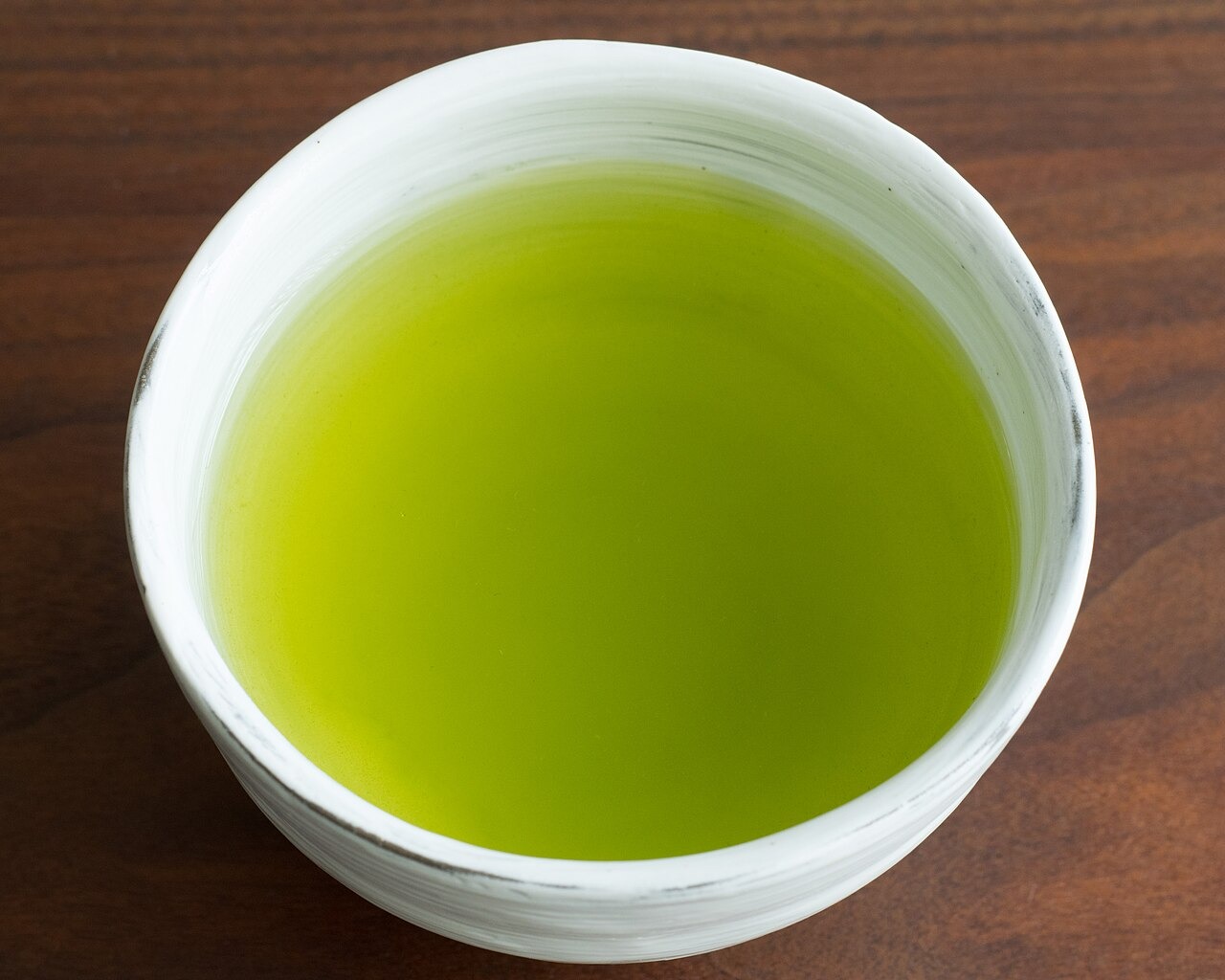
Wine lovers talk about terroir, vintage and the nose. Tea has all of that, and arguably more. All true tea comes from one plant, Camellia sinensis, yet where it grows, when it’s picked and how it’s made create thousands of distinct flavours. Here is how to start tasting like a sommelier.
Look
Before you brew, look at the dry leaf. Is it whole or broken, tightly rolled or loose and twisted? After brewing, look at the colour of the liquor in a white cup: pale gold, bright green, amber or deep copper. Then look at the wet leaves, which open up to show how they were picked and processed.
Smell
Smell the dry leaf, then the wet leaves straight after brewing, when their aroma is strongest. You might find grass, hay, honey, flowers, stone fruit, toast, smoke or cocoa. Don’t worry about being right. Notice what it reminds you of.
Taste
Take a small sip and let it sit for a moment. Notice four things:
- Flavour: what you taste, such as fruit, flowers, malt or vegetal notes.
- Body: how heavy it feels, from light and silky to rich and full.
- Astringency: that drying feeling on the tongue, pleasant in balance.
- Finish: what lingers after you swallow, and for how long.
Start a tasting flight
Brew three teas side by side and taste them in order from lightest to boldest: a white tea, a Japanese sencha and an Assam, for example. Keep a small notebook. Within a few weeks you’ll be surprised how much more you notice.
A tasting vocabulary to borrow
- Bright: lively and fresh
- Brisk: clean, with pleasant astringency
- Malty: rich and bready, typical of Assam
- Muscatel: a grape-like note prized in Darjeeling
- Umami: savoury depth, common in Japanese green teas
Photo: Difference engine via Wikimedia Commons, CC BY-SA 4.0.